Athletic Locker Room Organization: Tips for Coaches and Players
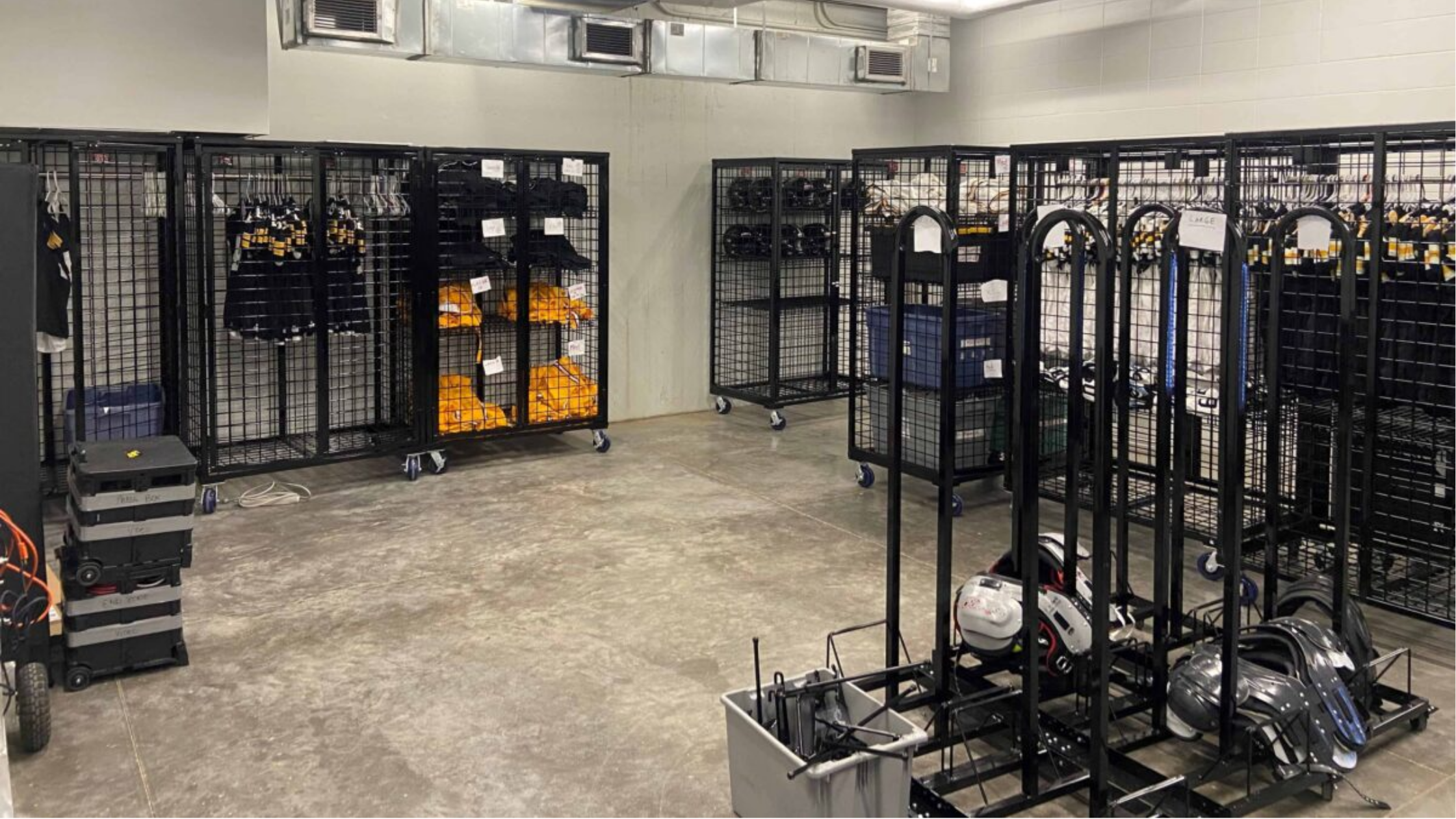
In the world of sports, organization isn’t just a virtue; it’s a necessity. An organized locker room not only fosters team spirit but also ensures that athletes and coaches can focus on their game instead of searching for gear. It’s important to have a space organized and ready for your specific needs, whether you’re a coach looking to set an example or an athlete striving for peak performance. These locker room organization tips will ensure your gear is accessible, your space is clean, and your team is focused on what matters.
Invest in High-Quality Storage Solutions
The foundation of any well-organized locker room is sturdy storage. Consider investing in high-quality athletic locker systems designed specifically for sports equipment. These purpose-built locker storage solutions are designed to withstand the rigors of an athletic environment and help keep gear in good condition.
Choose Lockers Built for Athletic Environments
Not all lockers are equal. Standard commercial lockers are meant for general use, but athletic environments put storage systems through a different kind of daily punishment. Helmets, pads, cleats, and damp uniforms need a locker system that can handle excessive weight, moisture, and volume that comes with a full sports season.
GearGrid’s athletic locker systems are built specifically for this kind of use. The open grid steel construction keeps lockers from trapping moisture and odors, while the modular design allows each locker to be configured for the sport and athlete using it. Available in wall mount and freestanding configurations, GearGrid lockers fit into any locker room layout without sacrificing storage capacity.
For programs that want to go further, GearGrid’s GridIron Team Lockers include an integrated bench seat, lockable compartments, and custom powder coat finishes in team colors, giving athletic departments a locker room that reflects program identity as much as it serves a functional purpose.
Create a Systematic Layout
A systematic layout can significantly improve your locker room’s organization. Assign designated spaces for each type of equipment. For example, allocate a section for uniforms, another for footwear, and a separate area for personal items.
This approach reduces clutter and makes it easy for athletes to find what they need. GearGrid’s athletic locker systems are fully configurable to support any layout, making it easier to build a room to work the way your team does.
Properly Ventilate the Locker Room
A well-ventilated locker room is essential to stop the growth of mold and mildew on equipment. GearGrid’s open-grid locker design promotes maximum airflow through every locker opening, allowing damp gear to dry naturally between practices and games without requiring fans or external ventilation. Encourage athletes to hang gear properly after each use so air can circulate freely around the lockers, combating mold and mildew.
Clear Labeling System
Labeling is a simple yet effective way to keep track of equipment. Use clear, durable labels to make it easy to identify and retrieve items quickly. This method not only prevents mix-ups but also encourages responsibility and accountability among players and staff members.
Develop a Regular Cleaning Schedule
Maintaining cleanliness is essential for preserving the longevity of your athletic gear. Encourage players to clean their equipment regularly, especially items like shoes and padding. Establish a cleaning schedule that includes regular washing, disinfecting, and airing out of gear to prevent odors and mold growth.
Implement a “Clean As You Go” Policy
Teach athletes to adopt a “clean as you go” policy. This means they should put away their gear and dispose of trash immediately after using the locker room. This habit ensures that the locker room remains organized and minimizes the risk of damage to equipment.
Regular Equipment Checkups
Schedule routine equipment checkups to identify and address any issues before they become major problems. This includes inspecting helmets for cracks, checking for loose cleats, and ensuring that padding is still in good condition. Addressing these concerns promptly can prevent injuries and extend the life of your gear.
Implement a Lost-and-Found System
Despite your best efforts, items may occasionally get misplaced. Create a lost-and-found system where any unclaimed items are placed in a designated bin. This makes it easy for athletes to reclaim their gear and helps reduce the chances of losing expensive equipment.
Educate Athletes and Coaches
Lastly, educate both athletes and coaches about the importance of locker room organization. Explain how it can enhance team performance, reduce the risk of injuries, and prolong the life of expensive gear. When everyone understands the benefits, they are more likely to participate in maintaining a well-organized locker room.
Maximize Space With the Right Accessories
A great locker system becomes more effective when it’s paired with the right accessories. The difference between a locker room that works and one that just stores gear often comes down to the details: Whether helmets have a dedicated place to rest and dry, whether personal items are secured, whether charging cables are managed or left in a tangle on the floor.
GearGrid offers a full range of locker accessories designed to solve exactly these problems. GearToppers mount to the top of any Gridiron Team Locker and provide a dedicated drying and display space for helmets and shoulder pads, keeping them visible and ventilated. The SecureBox gives athletes a lockable space for personal valuables within their locker without requiring a fully enclosed locker door. Hooks, hangers, and adjustable shelving round out the system, letting each locker be configured for the specific gear a sport needs. This way, your locker system can accommodate football teams, baseball teams, wrestling teams, and more.
Frequently Asked Questions
What type of lockers work best for high school athletic programs?
High school athletic programs need lockers that are durable enough to withstand daily use while still being properly ventilated. GearGrid’s GridIron Team Lockers are a popular choice for high school programs because they combine integrated seating, ventilated open grid construction, and full customization in team colors and logos. Wall mount configurations free up floor space, while freestanding island options give larger locker rooms the flexibility to maximize capacity.
How do you reduce odor in an athletic locker room?
Odor in athletic locker rooms is almost always the result of poor ventilation. Gear that does not dry properly between uses can retain moisture, creating mold, mildew, and persistent odor. The best solution is a locker system with an open grid design that lets air circulate freely around stored equipment. This open grid construction promotes maximum airflow through every locker opening, helping gear dry faster after practices and games without relying on fans or dehumidifiers.
How many lockers does an athletic facility typically need?
The number of lockers required depends on the roster size, the number of sports sharing a space, and whether the facility serves varsity, junior varsity, and junior programs simultaneously. Generally, each athlete should have their own dedicated locker opening. GearGrid works directly with schools and athletic departments to develop locker room layouts based on the available space and program needs, ensuring every athlete has the storage they need.
Choose the Locker Room Your Athletic Program Deserves
An organized locker room can be the backbone of any successful sports team. Coaches and players alike benefit from an environment where gear is easy to find, clean, and in top condition. By following these organizational tips, you can create a locker room that promotes teamwork, efficiency, and the overall success of your athletic program.
An organized locker room is one of the simplest investments a program can make in its athletes. GearGrid’s customizable athletic locker systems are built to make that organization easier, more durable, and built to last for the long term.
For more information on how GearGrid can help, contact our team to learn more.